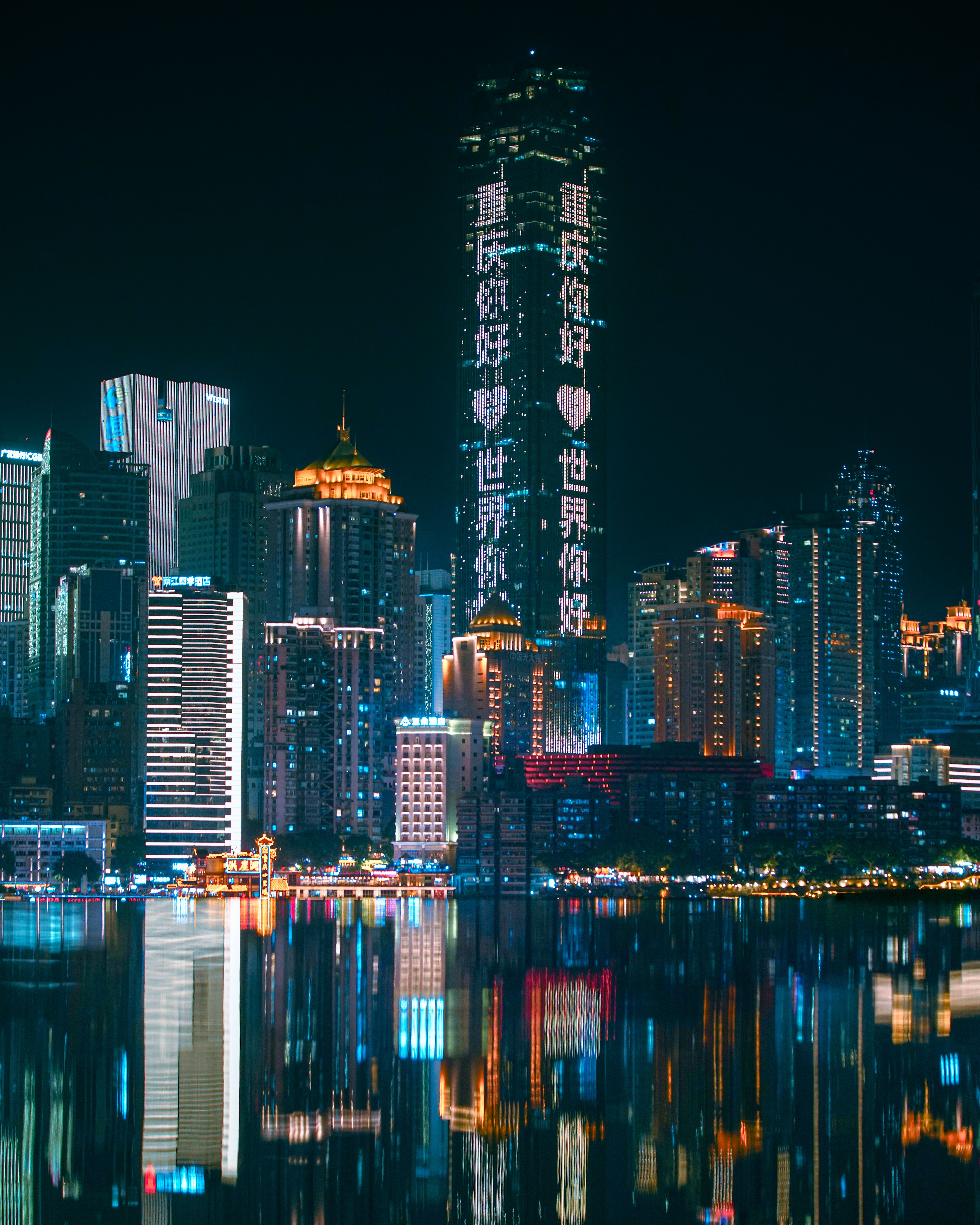
1 Getting There
By Air — Chongqing Jiangbei International Airport (CKG) is a major hub with direct flights from over 50 international cities including Singapore, Bangkok, Seoul, Tokyo, London, and Sydney. The airport is connected to the city center via Metro Line 10 (45 min to Hongqi Hegou) and frequent airport express buses.
By Train — Chongqing is well-connected by China's high-speed rail network. From Chengdu, it's a 1.5-hour ride; from Xi'an, 5 hours; from Guangzhou, 6 hours; from Shanghai, 10 hours. The main stations are Chongqing North (most convenient for center) and Chongqing West.
By River Cruise — A popular option is the Yangtze River cruise from Yichang (near the Three Gorges Dam) to Chongqing, a 3-day journey through the stunning Three Gorges.
2 Best Time to Visit
Chongqing has a humid subtropical climate notorious for its fog and heat. Spring (March–May) and Autumn (September–November) offer the most pleasant temperatures for exploring. Summers (June–August) are extremely hot (35–40°C / 95–104°F) and humid. Winters are mild but overcast.
💡 Insider Tip
Avoid Chinese public holidays (Golden Week in Oct, May Day, Spring Festival) when domestic tourism peaks and attractions are packed.
3 Top Attractions
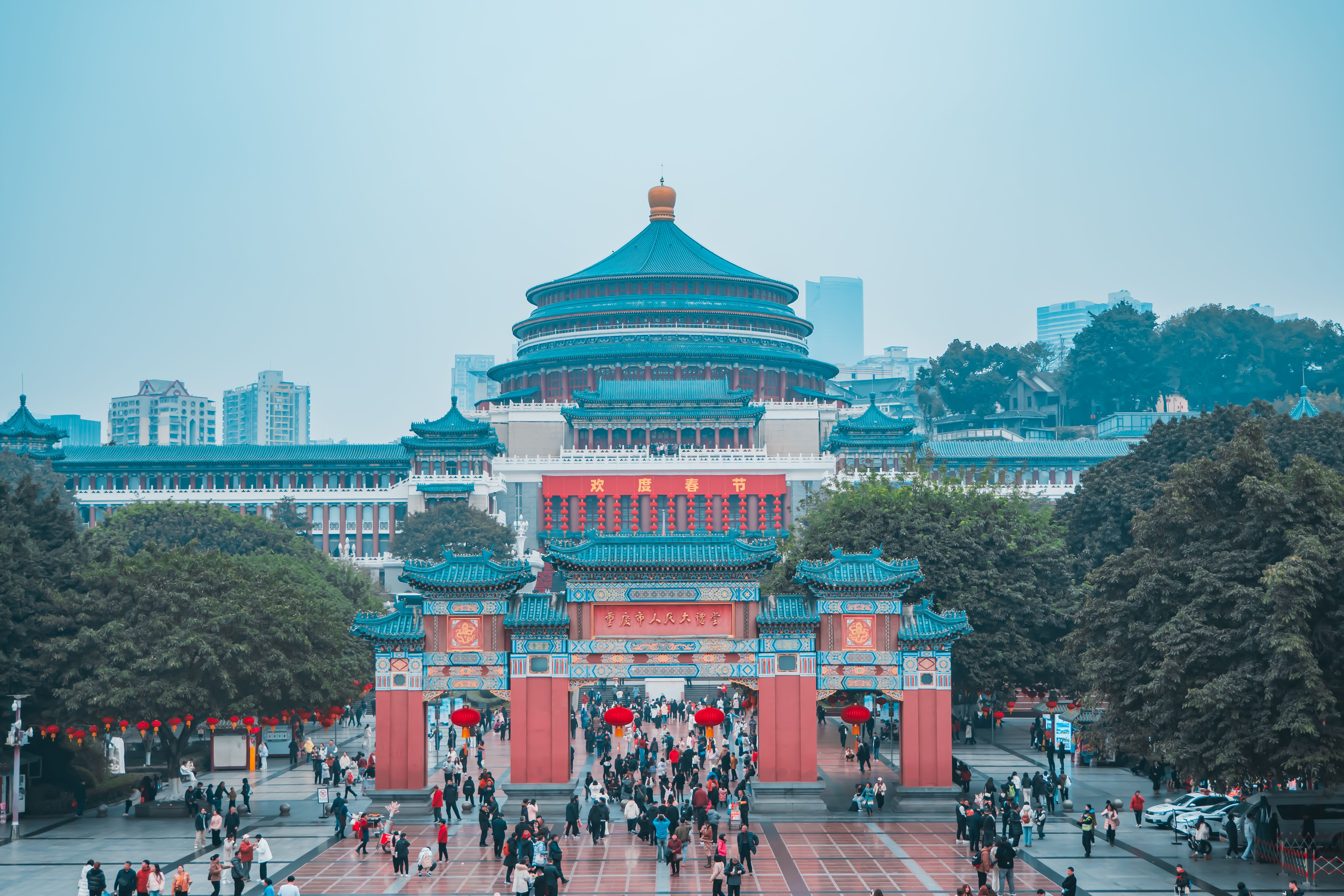
Hongya Cave (洪崖洞)
A spectacular 11-story stilt-house complex built into a cliff face along the Jialing River. At night, the traditional Bayu-style architecture is illuminated in golden light, creating a scene straight out of Spirited Away. Each floor offers different experiences — from snack stalls and souvenir shops to restaurants with river views. Free entry, though expect crowds in the evening.
Ciqikou Ancient Town (磁器口)
A well-preserved Ming and Qing dynasty street perched on the banks of the Jialing River. Wander through narrow alleyways lined with vendors selling máhuā (twisted dough sticks), suānlà fěn (sour and spicy noodles), and local handicrafts. Go early (before 10am) to avoid the crush.
Yangtze River Cableway (长江索道)
One of Chongqing's most iconic experiences. This 1,166-meter cable car glides over the Yangtze River, connecting the north and south banks. The 4-minute ride offers breathtaking panoramic views of the city skyline and the confluence of the Yangtze and Jialing rivers. Best ridden around sunset.
Jiefangbei & WFC Observatory (解放碑 / 会仙楼观景台)
Jiefangbei (Liberation Monument) is the bustling heart of Chongqing's central business district. Nearby, the WFC Observatory on the 73rd floor of the World Financial Center offers the best aerial view of the city's incredible skyline. Visit at dusk to watch the city light up.
Wulong Karst (武隆天生三桥)
A 2-hour drive from central Chongqing, this UNESCO World Heritage site features three natural stone bridges carved by nature over millions of years. The dramatic landscape served as a filming location for Transformers 4. A full-day trip — well worth it for nature lovers.
4 Food — What & Where to Eat
🔥 Chongqing Hotpot (重庆火锅)
The undisputed king of Chongqing cuisine. A bubbling cauldron of broth glistening with chili oil and huājiāo (Sichuan peppercorn) sits at the center of the table. Dip raw ingredients — beef tripe, duck tongue, lotus root, and tofu — into the spicy broth. Try: Zhu Mama Hotpot (珮姐老火锅) on Jiefangbei Road for an authentic experience. Expect to queue.
🍜 Xiao Mian (重庆小面)
Chongqing's soul food — a simple bowl of wheat noodles tossed in a fiery sauce of chili oil, sesame paste, pickled vegetables, and soy sauce. Often eaten for breakfast. Try: Hu Xiaomian (花市豌杂面) — a legendary local chain.
🥟 Other Must-Tries
- Jiǎozi in Chili Oil (红油抄手) — wontons drenched in spicy oil
- Sour & Spicy Noodles (酸辣粉) — glass noodles in a vinegary broth
- Chuan Chuan Xiang (串串香) — the street-food cousin of hotpot, skewered and boiled
- Shancheng Tangyuan (山城汤圆) — sweet glutinous rice balls for dessert
5 Suggested Itinerary: 3 Days
Morning: Start at Jiefangbei square, explore the surrounding shopping streets. Walk to the nearby Yangtze River Cableway for a ride across the river.
Lunch: Try Xiao Mian at a local shop near Jiefangbei.
Afternoon → Evening: Head to Ciqikou Ancient Town for streetside snacks and souvenirs. Then Hongya Cave illuminated at night. Dinner: Hotpot on the Hongya Cave riverside strip.
Morning: Visit Eling Park (鹅岭公园) for a panoramic view of the city where the two rivers meet.
Lunch: Hotpot again — this time in a local Chuan Chuan restaurant near the park.
Afternoon: Art Museum of Chongqing (free entry, striking architecture) followed by a walk along Nanbin Road (南滨路) riverside promenade.
Evening: WFC Observatory for sunset over the skyline. Dinner on Nanbin Road with river views.
Morning: Take a guided tour or self-drive to Wulong Karst. The journey takes about 2 hours each way.
Mid-day: Visit the Three Natural Bridges and the Fairy Mountain grassland. Return to Chongqing by evening.
Alternative: Stay in the city and explore Chongqing Zoo (home to giant pandas) and Luohan Temple (罗汉寺), an ancient Buddhist temple nestled among skyscrapers.